
Cave exploration, or spelunking, is about going into underground spaces to see what lies beneath the surface. It can be a light walk through a tourist cave or a more challenging journey with tight passages and climbs. In India, you can find caves that suit all skill levels. Some are short and easy, while others are long and adventurous. This guide is for those who are just starting out.
What is a Cave?
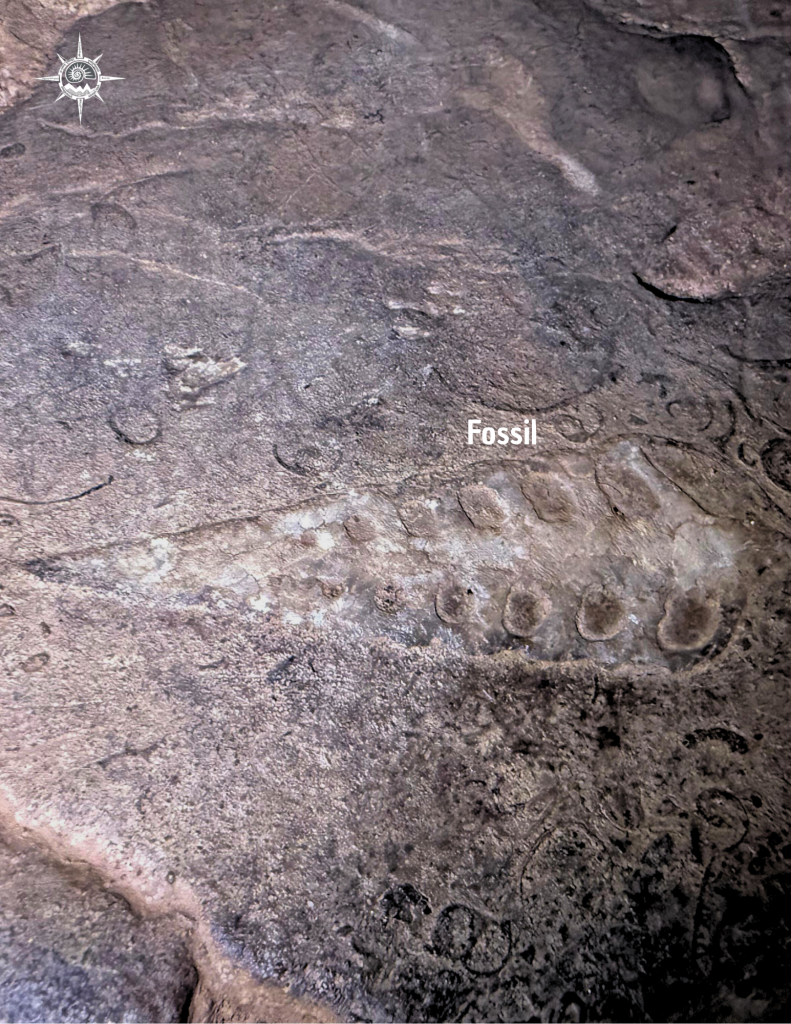
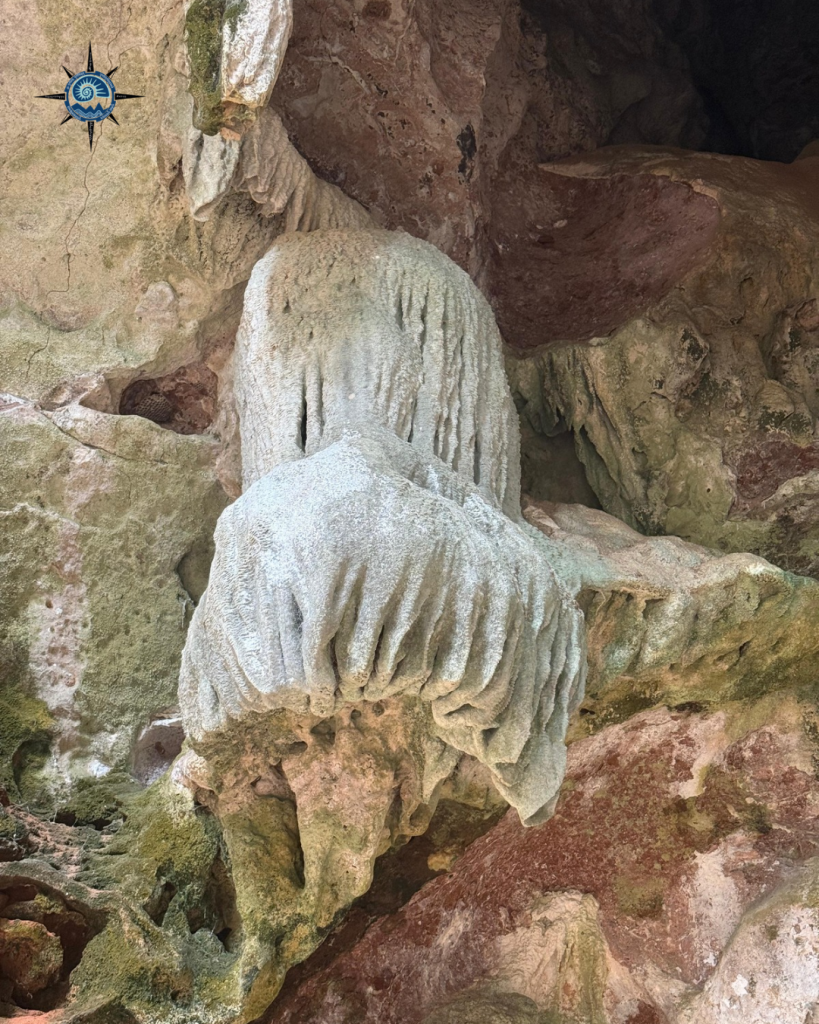
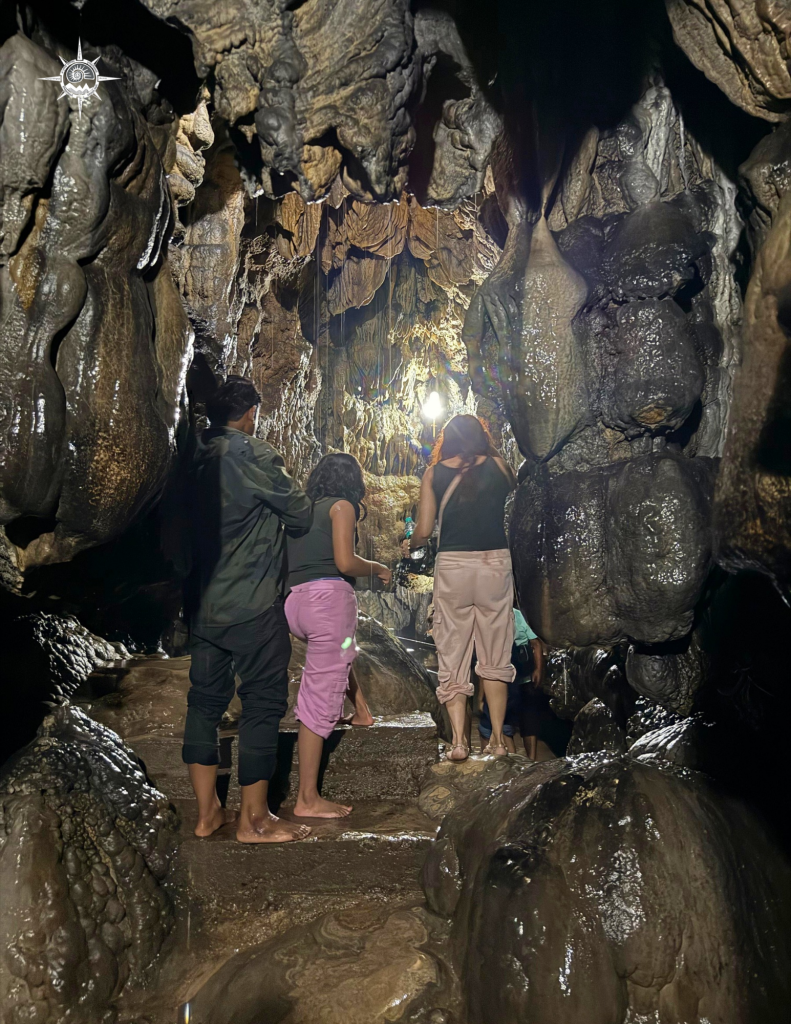
A cave is a natural opening in the Earth’s surface, large enough for people to enter, extending beyond daylight into hidden realms below. Caves come in many forms: from brief, simple chambers to vast underground networks stretching for miles. The discipline of speleology explores these subterranean environments, combining insights from geology, hydrology, biology, and archaeology to uncover how caves form, evolve, and what secrets they preserve. These spaces often act as time capsules, housing ancient fossils, artefacts, and mineral formations that record Earth’s environmental past. For many, caves are portals into a world that unfolds slowly beneath our feet, offering discovery, reflection, and connection to the Earth’s deep history.
Terminologies Related to Caves
Venturing underground exposes you to a unique vocabulary, knowing these terms helps you talk about caves with clarity and curiosity:
Speleology
This term refers to the scientific study of caves and karst landscapes. It’s a multidisciplinary field combining geology, hydrology, biology, and archaeology to understand how caves form, function, evolve, and support life. While some use the word informally to mean cave exploration, speleology is truly a research-driven pursuit, unravelling the hidden stories within subterranean spaces.
Caving / Spelunking / Potholing / Cavers
- Caving is the recreational activity of exploring wild cave systems.
- In the U.S. and Canada, explorers are often called spelunkers, while in the U.K. and Ireland, the term potholers is common.
- However, many enthusiasts prefer the neutral term cavers, which avoids regional or experience-based bias and unifies the community.
Karst
This describes a type of terrain created when water dissolves soluble rock, most commonly limestone. The result is a landscape filled with sinkholes, spring-fed streams, and a network of hidden underground passages. If you’re exploring caves, you’re likely traversing karst terrain.
Speleogenesis
This is the process through which caves develop. It describes the origin and growth of cave systems, how acidic water dissolves rock, how chambers expand, and how sinkholes form. Understanding speleogenesis helps make sense of the hidden structure and history beneath your feet.
Types of Caves
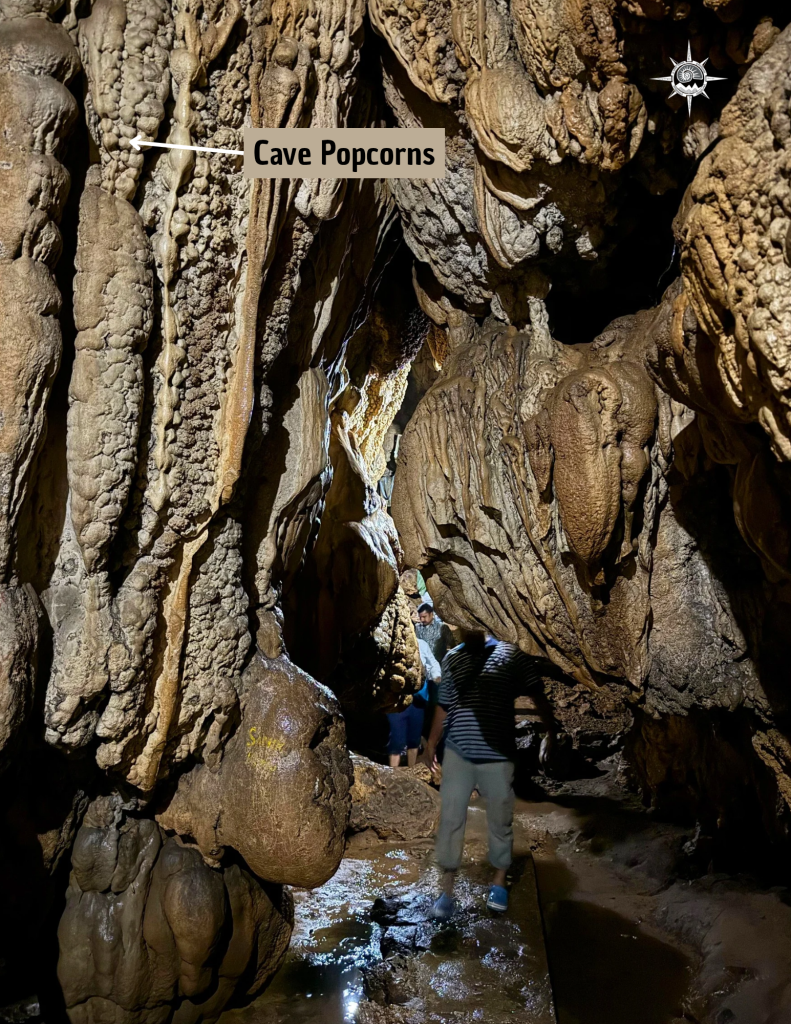
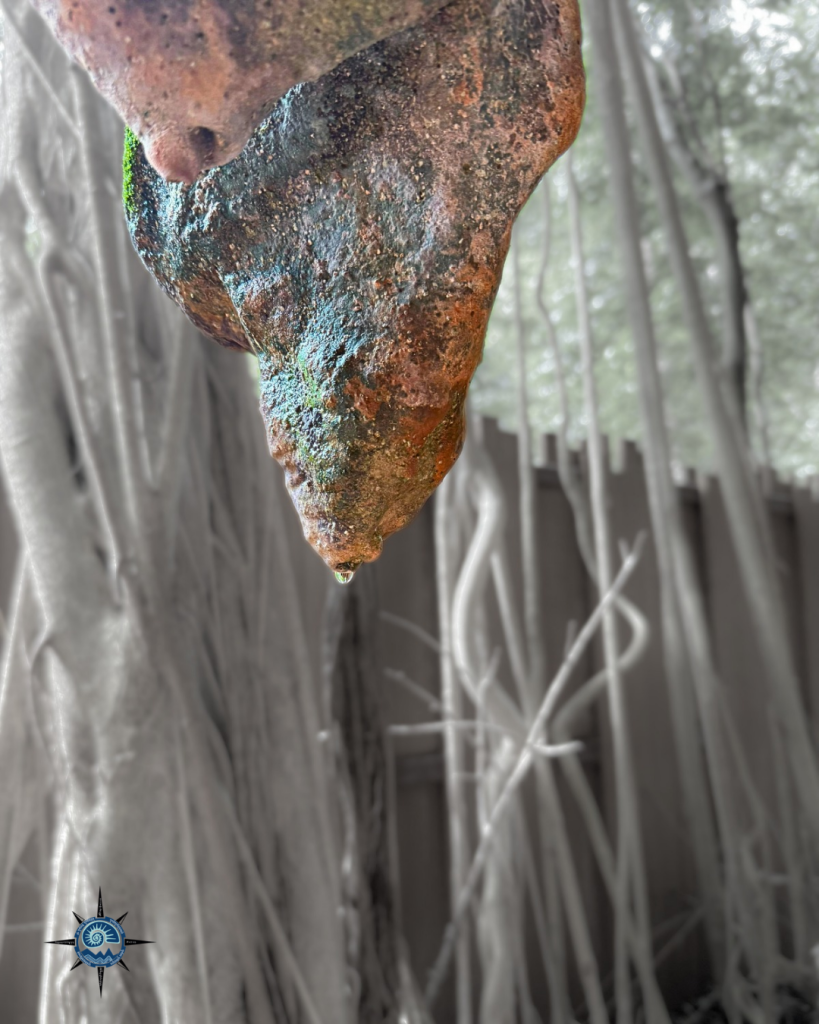
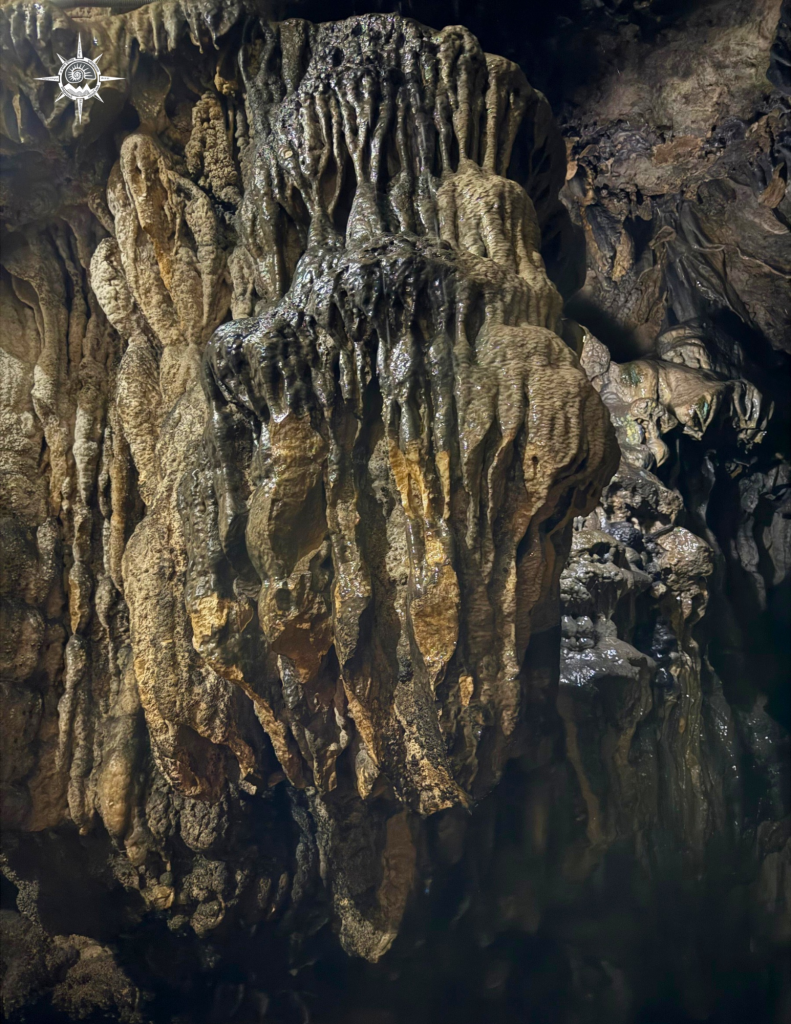
Caves form through a range of natural processes, each shaped by the forces of earth, water, fire, or ice. Here are the four most prevalent types:
Solution (Karst) Caves
These are by far the most common. They form when slightly acidic water, typically rain mixed with carbon dioxide, slowly dissolves soluble rock such as limestone, chalk, dolomite, marble, gypsum, or salt. Over time, this dissolution enlarges tiny cracks until they’re big enough to explore. Such caves often appear in karst landscapes, featuring sinkholes, underground streams, and extensive passage systems. Some also result from sulfuric acid, created when underground gases rise and react with water.
Lava Caves (Lava Tubes)
These volcanic caves are created during eruptions. As molten lava flows, its surface cools and hardens, forming an outer crust. Meanwhile, molten lava continues to drain underneath through a channel. When the eruption ends, these channels empty, leaving behind hollow tubes, sometimes extending for miles. Lava tubes may showcase unique internal features like multi-level passages, smooth floors, and cooled flow lines.
Sea Caves (Littoral Caves)
Wave action against coastal cliffs gradually carves these caves. Waves exploit natural weaknesses, like cracks or softer layers, in the rock, gradually enlarging them. Wave pressure, combined with the abrasive effect of sand and pebbles, widens these openings into dramatic coastal caverns. Sea caves can vary in size and often feature rugged walls or smooth interiors.
Glacier Caves
Formed within ice, these caves arise when meltwater flows through or beneath a glacier, carving tunnels and chambers. The moving water transfers enough heat to melt passageways inside the ice, sometimes aided by geothermal warmth from below. Because glaciers shift and refreeze, glacier caves are usually transient, changing or collapsing over time.
How Are Caves Formed (Specifically Solution Caves)?
Solution caves are nature’s slow masterpieces, created through water chemistry and time. Here’s how they form:
- Acidic Rainwater: Rain absorbs carbon dioxide from both the air and soil, becoming slightly acidic.
- Rock Dissolution: This acidic water seeps into cracks in soluble rock (e.g., limestone), gradually dissolving calcium carbonate.
- Expansion Over Time: Microcracks enlarge into passages and chambers, aided by flowing water that concentrates along particular paths.
- Erosion Assistance: Sediment in water acts like gentle sandpaper, further widening cave tunnels.
- Surface Connection: Sinkholes may form when cave ceilings collapse, revealing the hidden world below.
- Rare Variation: In a few instances, stronger acids from underground gases erode caves from below more rapidly.
This gradual interplay of water, chemistry, and erosion sculpts the elaborate passages and chambers that intrigue and inspire cavers today.
Characteristic Features Inside Caves (Speleothems)
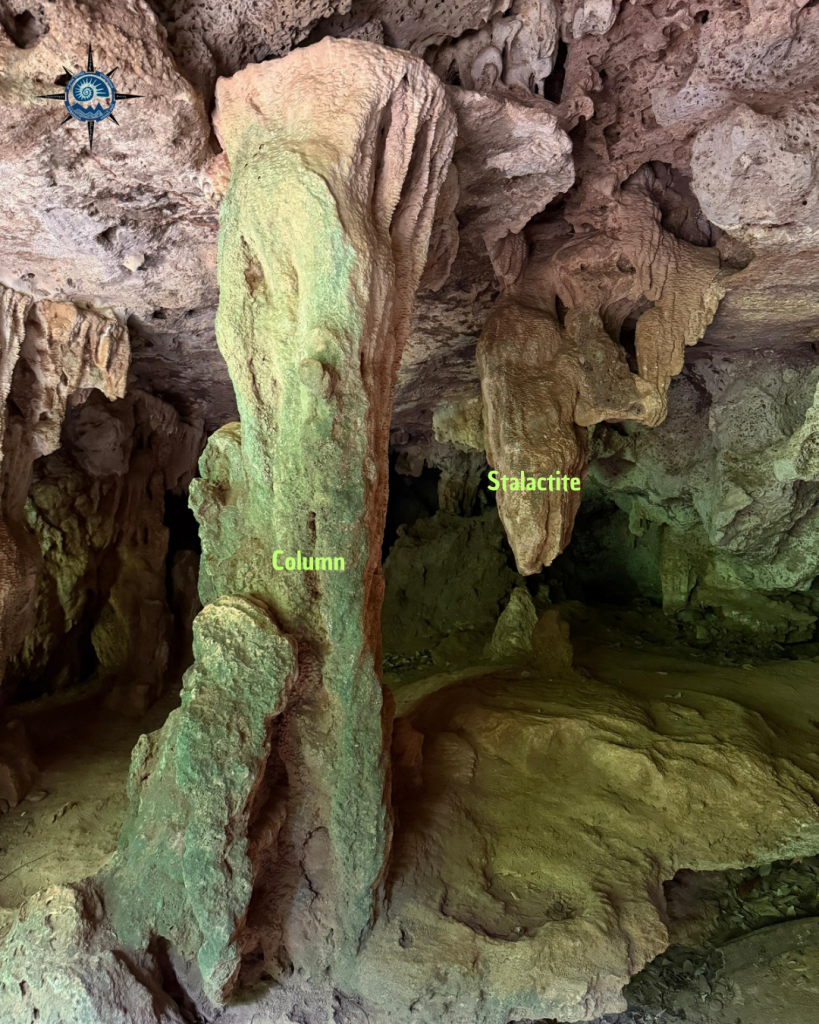
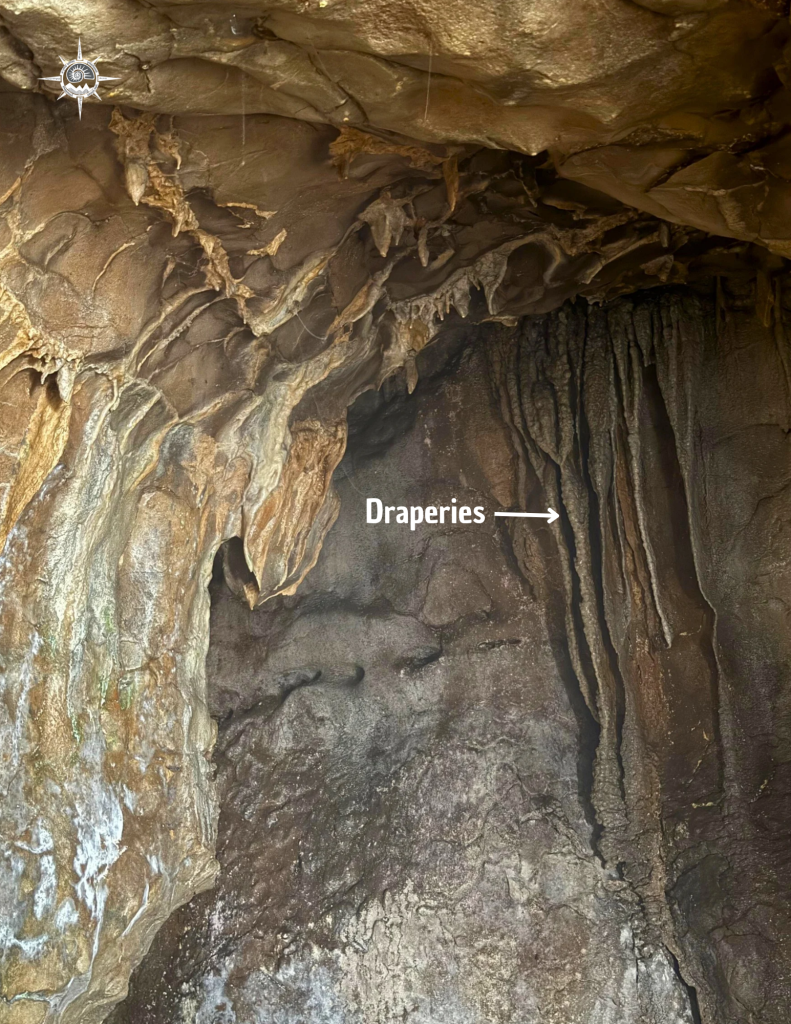
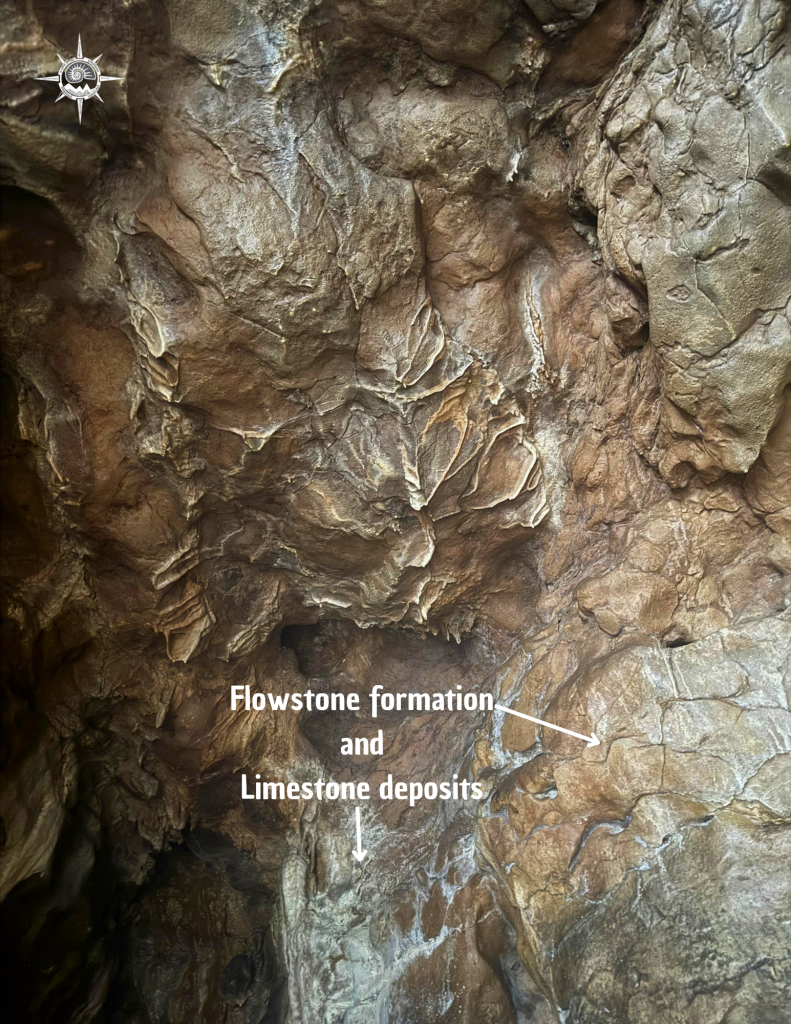
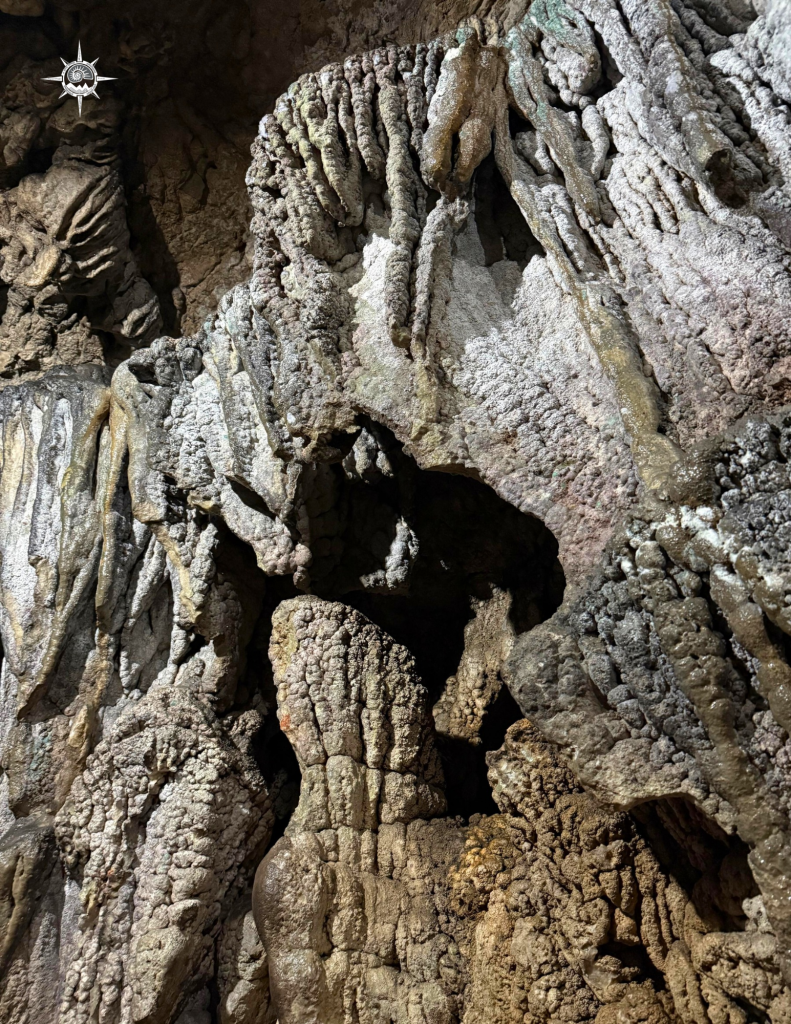
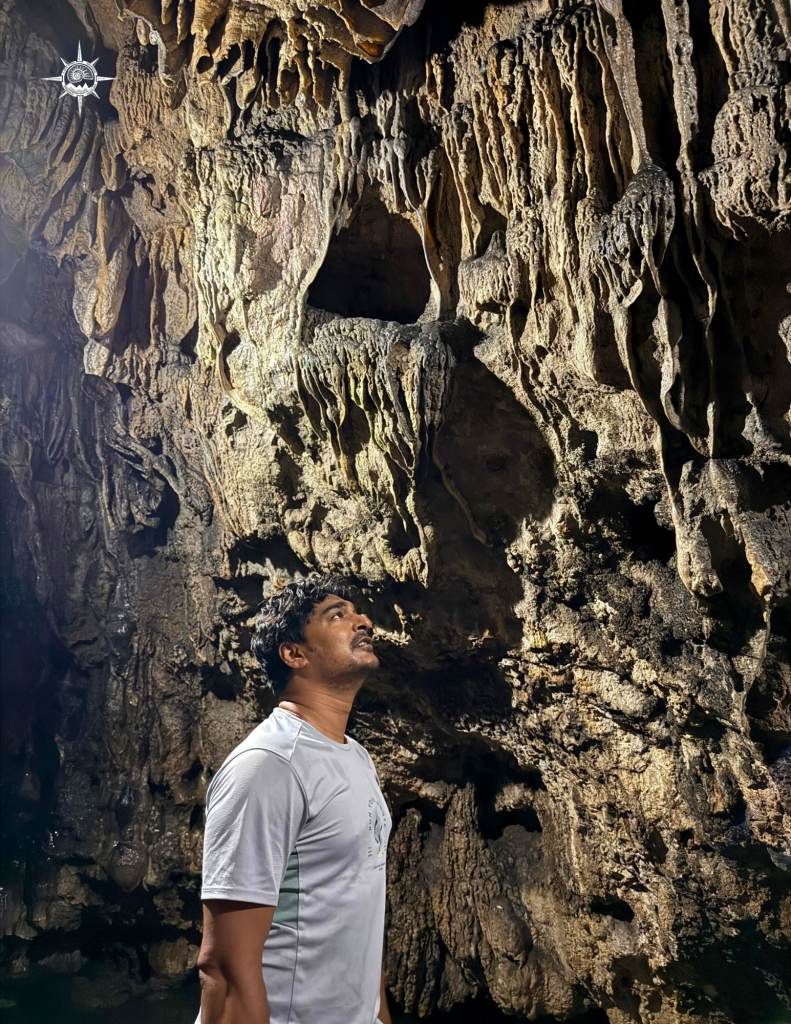
Inside solution caves, mineral-rich water continues to sculpt beauty through speleothems, including:
- Stalactites: Icicle-like formations hanging from ceilings, created as mineral-laden droplets deposit calcite over time.
- Stalagmites: Rising from the floor where those droplets land, building upward layer by layer.
- Columns: When stalactites meet stalagmites, forming natural pillars.
- Additional forms include:
- Flowstones (smooth, sheet-like cascades)
- Draperies (curtained folds of mineral deposits)
- Soda straws (thin, hollow tubes)
- Helictites (twisted, gravity-defying formations)
- Cave popcorn (knobby clusters)
- Rimstone dams (raised ridges formed by flowing water)
These features are nature’s slow-motion artwork, sculpted drop by drop over centuries or millennia.
Why Go Caving?
Caving offers a rare blend of exploration, discovery, and learning that few adventures can match.
Windows into the Past
Caves act like time capsules. Their stable environments preserve fossils, cultural artefacts, and occasionally even footprints or cave paintings. In many cases, animal remains, such as those of extinct species, have been found untouched in deep chambers, offering invaluable glimpses into ancient ecosystems and extinct life forms. The formations themselves, especially stalactites and stalagmites (collectively known as speleothems), capture mineral deposits layer by layer over centuries. These layers act like historical climate records, helping scientists reconstruct past rainfall, temperatures, and environmental changes.
Thrilling Exploration
Caving is more than a hike. It’s a journey into the unknown. You might crawl through tight passages, balance across uneven floors, and move through near-total darkness. When you emerge into massive underground chambers or discover unseen formations, the shock of awe is profound. The mix of physical navigation, mental focus, sensory isolation, and unexpected beauty makes caving uniquely exhilarating.
Scientific Insight and Ecosystems
Caves are living laboratories. Their formations chronicle geological and climate history. Equally remarkable are the organisms that inhabit these underground realms, troglobites, cave-adapted species such as fish, insects, and bats, many of which exist nowhere else on Earth. Caves also house microorganisms thriving in complete darkness or chemical-rich waters. Exploring these ecosystems offers rare perspectives on adaptation, evolution, and biodiversity.
When to Go Caving?
Always check local conditions and weather before entering a cave to avoid surprises that could turn a thrilling expedition into a risky venture. Timing is key for a successful and safe cave visit:
- Dry Seasons: These are ideal, as rain can flood cave systems, especially solution caves with surface connections.
- Show Caves: Easily accessible year-round, these visitor-friendly caves are equipped with pathways and sometimes lighting, perfect for beginners.
Caving Checklist
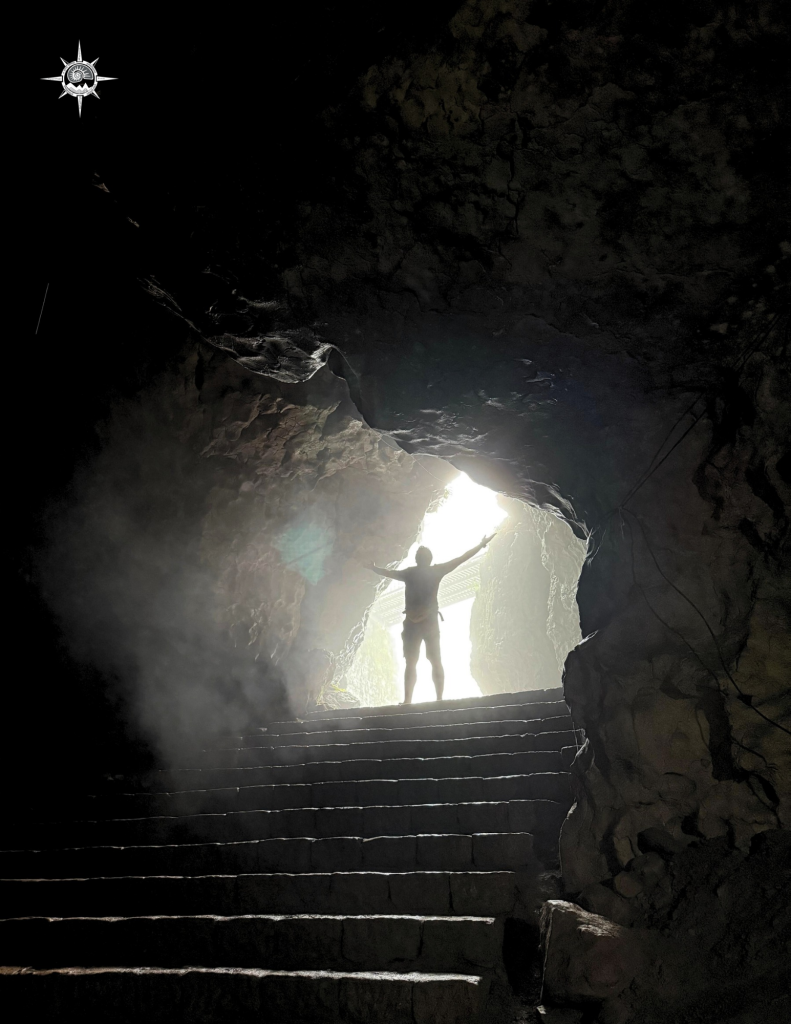
Essential gear ensures safety and comfort underground:
- Knee Pads: Knee pads are crucial for protecting your knees during long crawls over rough terrain. Caving-specific knee pads are designed with durable materials like neoprene and Kevlar to withstand abrasions. These pads offer both comfort and protection, allowing for extended exploration without injury.
- Wetsuit: A caving wetsuit is essential for maintaining body temperature in cold, wet environments. Made from neoprene, these suits provide thermal protection and abrasion resistance..
- Tackle Bag: A tackle bag is used to carry essential caving equipment like ropes, headlamps, and snacks. These bags are designed to be durable and waterproof, protecting contents from cave conditions.
- Helmet: A helmet is your primary defence against falling rocks and low ceilings. It also serves as the base for mounting your headlamp. Use one that offers comfort and ventilation, featuring a six-point textile suspension and adjustable chinstrap.
- Headlamp: Navigating in the dark requires a reliable headlamp. Use one that offers a powerful dual beam with a 1000-lumen spot beam and a 400-lumen floodlight, ensuring clear visibility in underground environments.
- Backup Headlamp and Extra Lighting: Always carry a spare headlamp and additional light sources. These backups ensure you’re never left in the dark, especially during extended caving trips.
- Clothing: Expect to get wet and dirty while caving. Wear layers to keep warm and dry. Avoid cotton, as it retains moisture and can lead to hypothermia. Opt for synthetic materials or fleece, and consider a caving undersuit for added warmth.
- Footwear: Wellington boots are recommended for their strong grip and ankle protection on uneven ground. Pair them with thick socks to keep your feet warm in cold, damp cave conditions.
- Gloves: Gloves protect your hands from rope burns, scrapes and provide better grip. They’re especially useful when abseiling or crawling. Choose gloves that offer dexterity and durability, but avoid using your best outdoor gloves, as they may wear out quickly underground.
- Waist Belt: A waist belt helps keep your oversuit in place and provides attachment points for small tackle bags. Go for an adjustable polypropylene belt with gear loops and a holster, suitable for various caving needs.
- Backup Essentials: Always carry water and energy-rich snacks to replenish your energy during the expedition. It’s advisable to eat and drink before you go, and leave additional supplies at the entrance for when you come out.
Remember, the gear you need can vary greatly depending on the location and conditions of the cave. Always use gear specifically designed for caving and avoid using climbing equipment, as it may not withstand the demanding conditions encountered underground.
Risks During Caving & How to Prepare
Caving comes with real hazards, but preparation mitigates them:
- Flooding: Heavy rain can flood passages quickly. Always check the weather before entering and avoid caves during or immediately after storms.
- Slips, Trips & Falls: Uneven, wet, or slippery floors are common. Move deliberately, use a three-point contact method (two hands and one foot or vice versa), and test every foothold. Most injuries occur near the end of a trip when fatigue sets in.
- Falling Rocks or Gear: Helmets are crucial. Stay aware of people above you, secure your equipment, and shout “Rock!” if something falls.
- Hypothermia: Caves are cold, damp environments. Wear synthetic or wool layers that stay warm even when wet. Recognise signs like shivering, sluggishness, or confusion and take steps to rewarm.
- Disorientation & Getting Lost: Cave passages can be confusing. Always explore in groups of three or more, keep track of your path, and ensure someone on the surface knows your plan and return time.
- Fatigue & Overexertion: Caving is demanding. Pace yourself, drink water, eat energy snacks, and rest regularly to maintain alertness and coordination.
- Air Quality Hazards: Some cave areas have low oxygen or a build-up of dangerous gases. If you experience dizziness, nausea, or shortness of breath, exit promptly to prevent serious harm.
Being vigilant and prepared transforms challenges into safe exploration.
Cave Conservation & Responsible Caving
Caves fascinate travellers with their mystery and beauty. For first-time visitors, they offer a safe glimpse into the underground world. Walking through passages and admiring rock formations creates an unforgettable experience, sparking curiosity and appreciation for nature’s hidden wonders.
- Stick to marked routes: Travel only on designated paths or durable surfaces. Straying off-trail can damage formations, compact sediments, and harm the cave’s micro-climate, often causing permanent deterioration.
- Avoid touching formations: Mineral structures like stalactites or flowstones take centuries to form. Natural oils and grime from our skin can cease their growth or discolour them irreversibly. Treat each formation as a delicate, ancient sculpture.
- Leave nothing behind; take only memories: Do not remove any natural or historical material, rocks, fossils, artefacts, or biological specimens. Even seemingly insignificant items can hold scientific, cultural, or ecological value.
- Protect cave life: Caves host unique ecosystems, including rare or endangered species. Avoid disturbing wildlife, especially during sensitive periods like bat hibernation, and be sure to clean and decontaminate your gear to prevent disease spread.
- Honour access rules and permit systems: Many caves are protected by regulations or require permits to visit. Follow these guidelines diligently to keep caves safe and accessible for everyone.
Responsible habits today ensure these ancient worlds endure for tomorrow’s adventurers.
Tourist Caves for First-Timers
These four accessible caves across India offer immersive, natural cave experiences without relying solely on head-torches. They’re perfect for stepping into the underground world with safety and awe.
Mawsmai Cave, Meghalaya
Located near Cherrapunji (Sohra) in the East Khasi Hills, Mawsmai is a limestone cave extending about 150 meters. Guests enter through a wide opening leading to interconnected chambers carved by underground water. Though well-illuminated, the cave still requires a bit of bending and squeezing through narrow passages. Inside, you’ll spot stalactites, stalagmites, and even fossils embedded in the rock, adding both wonder and a touch of adventure.
Arwah Cave, Meghalaya
Situated just a few kilometres from Mawsmai, Arwah Cave opens into a dramatic, sunken chamber before branching into a maze of limestone passages. Its walls are decorated with visible fossils like crustacean shells and fish bones, offering a subtle historical dimension alongside natural mystery. It blends accessible exploration with naturally rugged charm.
Borra Caves, Andhra Pradesh
Nestled in the Araku Valley of the Eastern Ghats, at around 700 meters elevation, the Borra Caves are among India’s deepest karst caverns (around 80 meters deep). Visitors wander among vast, dramatic stalactite and stalagmite formations sculpted over millennia. High ceilings and grand chambers make this an impressive subterranean showcase, surrounded by lush hill terrain.
Kotumsar Cave, Chhattisgarh
Near Jagdalpur within Kanger Valley, this limestone cave begins with a narrow fissure and extends into a 200-meter tunnel with a prepared walkway. It features diverse speleothems, stable year-round temperatures, and a quiet, immersive feel. During the monsoon months, the cave is closed to visitors due to flooding risk.
Each of these sites blends safe access with natural allure, whether through lighting, paths, or ease of entry, offering rich and memorable experiences that welcome you to the world beneath the surface.
Conclusion
Cave exploration in India is a mix of nature and culture. Each cave has its own story. Some are shaped by water over millions of years. Others carry carvings and paintings from ancient times. Start small. Learn how to move safely underground. Build your skills step by step. Listen to your guide. Follow the safety rules. Respect the cave and its fragile life. Enjoy the cool air and deep silence.
Every trip shows you something new. It could be a hidden chamber. Or a rare fossil on the wall. The more you explore, the more you want to return. Cave exploration also has big potential as an adventure sport in India. Meghalaya is one of the best places for it. The state has hundreds of caves. Many are short and easy, perfect for beginners. Others are long, dark, and twisting, ideal for experienced cavers.
You can start with a simple walk-through cave. Later, you can try caves with streams, climbs, and tight passages. Each level has its own thrill. Along the way, you’ll see rock formations, fossils, and underground life you can’t find anywhere else. Whether you want a light adventure or a full challenge, India’s caves have it all.